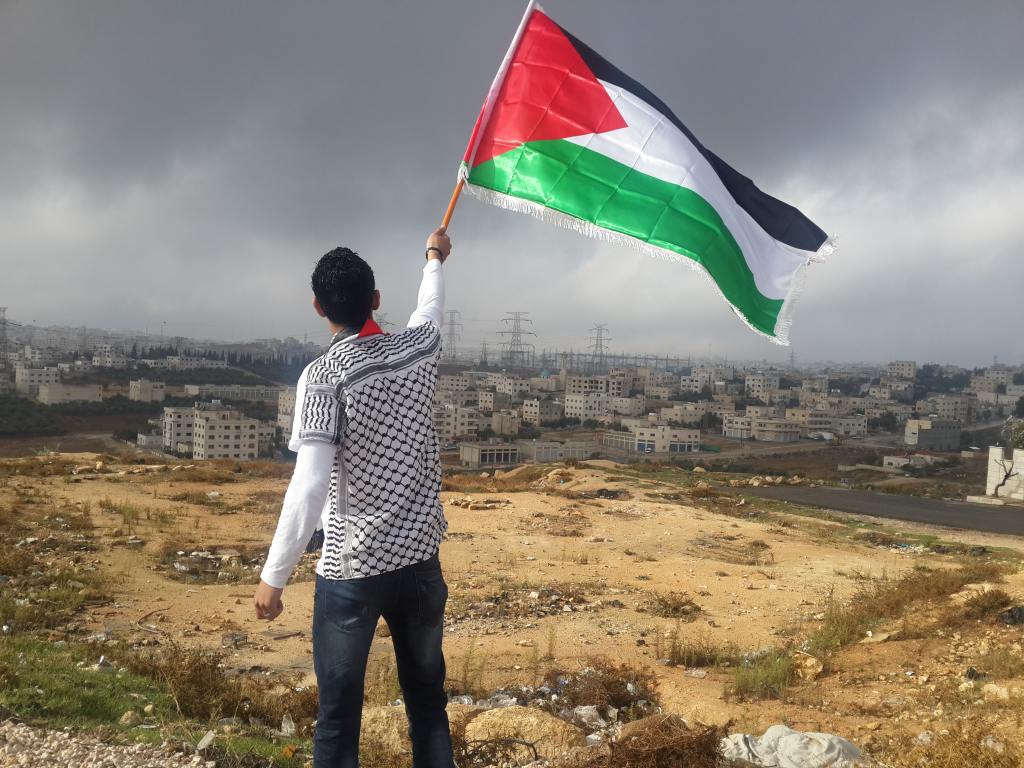
I wanted to share excerpts from this document I came across, as I’ve been researching historical literature and poetry from my Palestinian heritage. Not exactly easy for me to find, as a lot has been destroyed, or lost over the years to the occupation.
Here is an excerpt, and also a piece from poet, Fadwa Tuqan:
PALESTINIAN LITERATURE
Translated from: Resistance literature In Occupied Palestine
By Ghassan Kanafani
The fall of Palestine to the Zionists in 1948 led to a disastrous change both in the number and
the social structure of the Arab population in occupied Palestine. Nearly three quarters of the 200,000
Arabs who continued to live in their homeland were peasants. The cities were mostly evacuated either
during the war or soon afterwards. This led to a shocking deterioration in Arab social conditions due
to the fact that the cities had been the centers of both political and cultural effusion.
As the Zionist occupants closed their military ring, they started to impose their oppressive
measures; the atmosphere was convenient for them. Their chief purpose was to eradicate every trace
of the Arab personality and to implant the seeds of new trends which might grow and integrate within
the Zionist political and literary life.Palestinian Literature, up to this tragic fall had been part of the mainstream of the Arab literary
movement which flourished during the first half of the century. It had got its sources from and had
been influenced by Egyptian, Syrian and Lebanese writers who led the literary movement then. Even
renowned Palestinian writers had been indebted for their fame mostly to the Arab capitals which used
to receive them and patronize their productions. Several factors had in fact contributed to diminishing
the value of Palestinian literature at a time when Palestine was enjoying a prominent position in the
political arena and the struggle for Arab nationalism.
After 1948, Palestinian literature succeeded in laying the foundations of a new literary movement
which may be better described as the literature of Exile rather than Palestinian or Refugee literature.
POETRY OF RESISTANCE IN OCCUPIED PALESTINE
TRANSLATED BY SULAFA HIJJAWI

Published by the Ministry of Culture
Baghdad- Iraq 1968
(This is a revised and edited version- 2009)

EVER ALIVE
 Fadwa Tuqan

My beloved home land
No matter how long the millstone
Of pain and agony churns you
In the wilderness of tyranny,
They will never be able
To pluck your eyes
Or kill your hopes and dreams
Or crucify your will to rise
Or steel the smiles of our children
Or destroy and burn,
Because out from our deep sorrows,
Out from the freshness of our spilled blood
Out from the quiverings of life and death
Life will be reborn in you again………
Photo by Ahmed Abu Hameeda on Unsplash


Leave a Reply